How to Find a Qualified Hair Transplant Specialist?
Home How to Find a Qualified Hair Transplant Specialist?


Your look is not the only thing that hair loss can impact. It also has an impact on many people’s self-esteem and level of comfort in daily life. A hair transplant can be worth considering if you have tried several treatments without achieving the desired results. But one of the most crucial choices you will make is selecting the appropriate specialist. Although hair restoration methods are still evolving in 2026, accurate diagnosis, skilled surgery, and reasonable expectations are still critical for effective outcomes. When talking about hair restoration choices and knowing what to look for when choosing a trained practitioner, Enfield Royal Clinic in Islamabad can be a good place to start.
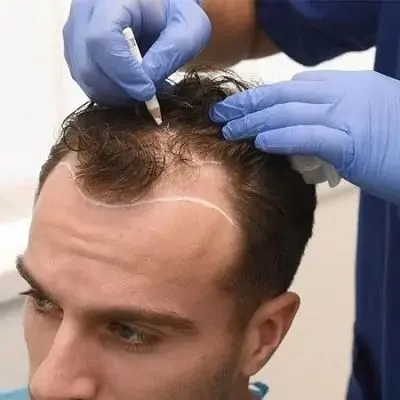
Moving hair follicles from a donor area—typically the back or sides of the scalp—to bald or thinning areas is known as hair transplantation. Even if the treatment is frequently carried out, it is still surgery and calls for the necessary medical knowledge. A trained expert should determine the reason behind your hair loss, determine whether you are a good candidate, and create a plan that takes your present hair density and potential patterns of hair loss into account. Patients are advised by the International Society of Hair Restoration Surgery (ISHRS) to confirm the physician’s credentials and comprehend who will carry out each step of the operation.
Verify the physician’s medical credentials, pertinent surgical training, and registration with the relevant Pakistani medical body first. Instead of depending only on the clinic’s advertisements, inquire about their hair restoration experience.
Follicular Unit Extraction (FUE) and Follicular Unit Transplantation (FUT) are two methods that are frequently employed.
FUE: Individual follicular units are taken out of the donor region and placed in areas that are thinning.
FUT:For transplanting, a hair-bearing scalp strip is cut off and separated into separate grafts.
Every method has benefits and drawbacks. The best option isn’t only based on which technique is more common; it also depends on your goals, donor supply, hair features, and medical evaluation.
You can learn more about a specialist’s work by looking at their photographs, particularly if they feature people with comparable patterns of hair loss. Keep an eye out for outcomes recorded at various phases of recuperation, consistent illumination, and clear perspectives. Be wary of promises of flawless surgery or results. Even with FUE, hair transplantation can leave minor scars, and each person’s experience is unique.
You should get enough information from a professional consultation to make an informed choice. Think about asking:
A hair transplant is not necessary for all forms of hair loss. Initial medical attention may be required for temporary shedding, dietary shortages, hormonal problems, and scalp disorders. In addition to reviewing your medical history, a professional should check your scalp, determine whether donor hair is available, and explain whether medicine or another course of treatment could be more suitable. Additionally, transplantation does not stop future thinning of non-transplanted hair.
Find out the name and credentials of the doctor who will be treating you. Make it clear which tasks go to the doctor and which to other team members. Professionals with the necessary training and licenses should oversee surgical decisions and important surgical procedures.
How to take care of your scalp, when to resume regular activities, and when benefits might be apparent should all be explained by your professional. The evaluation of the final result may take a year or more, and new growth typically takes several months.
It’s important to look past cost and advertising claims while searching for a certified hair transplant specialist. Verify medical credentials, inquire about practical experience, examine real outcomes, and ensure that a thorough evaluation of your hair loss and donor area is part of the consultation. Enfield Royal Clinic in Islamabad can be a good place to start looking into your alternatives if you’re thinking of getting hair restoration in 2026. Take your time, ask straightforward questions, and select a licensed medical practitioner who puts your safety first and sets reasonable expectations rather than guaranteeing flawless outcomes.