Hair loss is a common issue for both men and women, and choosing the right type of treatment can feel confusing. PRP hair treatment and hair loss medicines can be viewed as two of the most debatable ones today. The two approaches have different ways of workadvantages. Being aware of their comparison gives you an opportunity to choose what alternative to use depending on your hair condition, lifestyle, and expectations. The blog describes both approaches in a very simple and understandable way to help you make a good, knowledgeable decision without being confused.
What is PRP Hair Treatment?
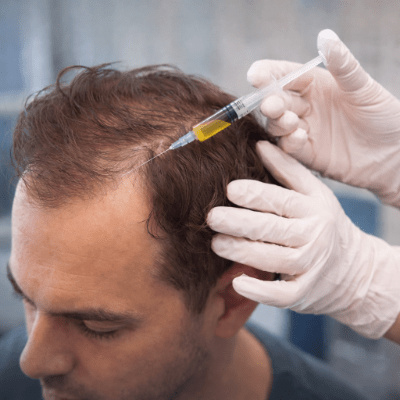
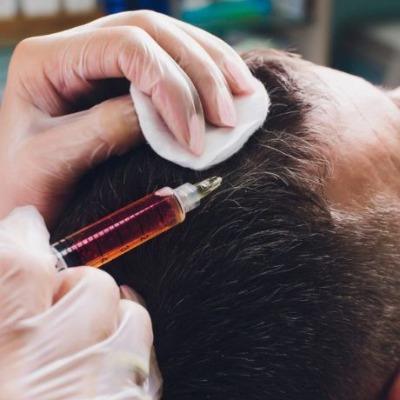
The PRP/ platelet-rich plasma therapy is a non-surgical treatment that involves using your own blood to grow hair. A little blood is taken, and it is treated so as to form platelets, which are then injected into the head. These platelets also secrete growth factors, which revive weak follicles of hair. PRP is popularly referred to as a natural hair regrowth therapy since it does not involve synthetic medications. It is aimed at helping to enhance scalp health, boost blood circulation, and enhance the existing hair.
The Role of Medications in Hair Loss Treatment
Hair loss medications are not new use from the decads of years, and two names are usually the subject of discussion:
- Minoxidil:
It is a topical solution that enhances the circulation of blood to the scalp and makes the hair grow thick.
- Finasteride:
This is a prescription medication in the form of a pill, which helps in preventing male pattern baldness because it prevents the production of a testosterone hormone called DHT.
These medications are effective, and they are limited. Minoxidil is only effective when you continue with its use, and quitting normally leads to the loss of hair once more. Finasteride can delay the loss of hair, however, in some cases, it causes unwanted side effects, especially in men. They both involve daily dedication and, hence, become difficult to stick to.
How Hair Loss Medicines Work?
Topical solutions or oral pills in hair loss medicines. The effect of these medicines is to reduce hair fall, increase hormonal balance, or enhance the follicle activity. Medicines are the initial option for many individuals as they are convenient to use and are accessible.
However, medications take time to work. Hair fall may return once patients stop the treatment. Results can also vary depending on consistency, genetics, and the extent of hair loss.
Clear Comparison Between PRP Hair Treatment and Medications
Feature | PRP Hair Treatment | Hair Loss Medications |
Treatment Types | Regenerative Scalp Therapy | Medical Management |
Main Gaols | Stimulate natural hair growth | Slow hair fall and maintain hair |
Source | Uses your own platelets | Chemical or hormonal formulations |
Mainataince | Periodic Sessions | Continuous daily use |
Which Option Provides Better Performance?
PRP often provides visible results for hair becoming thicker and more luxurious in due sessions, particularly amongst individuals who have thin beardiness and not baldness entirely. Since the treatment directly improves follicle health, patients achieve more natural and lasting results when they follow the prescribed sessions.
Medicines may be useful in preventing hair fall and maintaining the remaining hair, but not in regrowth. Regular use and waiting are also very important to the results.
This is because most hair experts recommend the use of both methods to achieve better results.
Dr. Naveed Azhar also asserts that combining PRP with medications can improve the scalp’s response and strengthen follicles that medications alone may not fully support.
Safety and Minor Side Effects
PRP is regarded as being safe since it involves the use of the patient’s blood. Scalp tenderness or mild redness could develop, but it mostly passes soon. It is not prone to any allergic reaction and, therefore, can be used by individuals who avoid drugs.
Medications can have side effects on certain patients, particularly oral ones.
A professional should discuss these uncommon effects with you before you begin treatment.
Who Should Choose PRP Hair Treatment?
- Experience early/moderate hair loss.
- desire a non-surgical hair transplant procedure.
- Favor natural treatment procedures.
- Have not responded desirably with medicines.
Who May Benefit More From Medicines?
- Suffers from very early hair loss.
- Want a simple, at-home treatment
- Who wants a low-cost service maintenance solution
- Are compatible with long-term use.
Can PRP and Medicines Be Used Together?
Yes, mixing PRP and medications at Enfield Royal Clinic Islamabad can be regarded as the most effective approach. Hair fall treated with the aid of medicines, whereas PRP enhances the strength of the follicles and the state of the scalp. Doctors usually employ this combined methodology in advanced hair loss management strategies to maximize outcomes.
Get Your Professional Consultation Now!
If you are really unsure what will suit you, the most appropriate and best thing you can do is to schedule an appointment with a skilled hair expert. An individual evaluation will help you in selecting the best treatment procedure for your healthier and stronger hair.