...

Laser Hair Removal in Islamabad

Home Laser Treatment Laser Hair Removal in Islamabad
Laser Hair Removal in Islamabad

Shaving, waxing, and threading remove unwanted hair for days or weeks, yet the follicle remains capable of producing new growth. Laser hair removal in Islamabad addresses that underlying mechanism by delivering controlled light energy to pigmented hair follicles, reducing regrowth across a planned course of treatment.

Pakistani and South Asian skin requires careful treatment planning because epidermal melanin also absorbs laser energy. Skin tone, hair pigment, wavelength, fluence, pulse duration, spot size, and cooling therefore determine how safely and effectively the treatment is delivered.

At Enfield Royal Clinic, F-7 Markaz, Islamabad, Dr. Maryam Malik and the clinical team assess these variables before selecting the appropriate laser technology. Book a consultation to assess your skin and hair profile and establish an individualized treatment plan.

Quick Facts!

Treatment type

Non-surgical laser hair reduction

Technology used

Diode, alexandrite, Nd:YAG, and multi-wavelength systems, chosen per patient

What its for

Long-term reduction of facial and body hair

Session length

15-16 minutes, depending on the area

Full treatment course

Usually 6-8 sessions

Starting price

From PKR 3499 per session, area-dependent

location

F-7 Markaz, Islamabad

Who its for

Men and Women with unwanted facial or body hair

Overseen by

dr . Maryam Malik and clinical team

Time between sessions

Roughly every 4-8 weeks

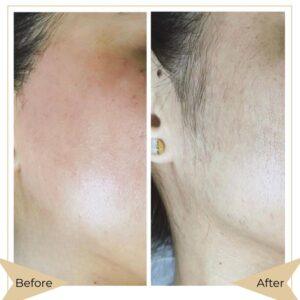
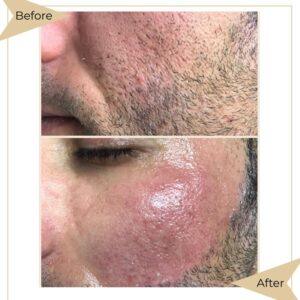
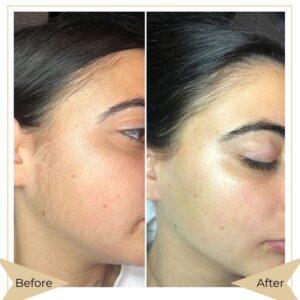
Before and After Photos 

laser hair removal islamabad before after laser hair removal islamabad

armpit before after islamabad armpit before after

laser hair removal islamabad best doctor laser hair removal islamabad best clinic

Why Hair Comes Back After Shaving, Waxing & Threading:

Every hair on your body is at a different stage of its own growth cycle. Some are actively growing (the anagen phase), some are winding down (catagen), and others are simply resting (telogen) before they eventually shed and restart. At any given time, some follicles are actively producing hair while others are resting.

This is why removing visible hair does not stop future growth. The method you use determines what happens to the hair shaft, but most temporary methods do not permanently disable the follicle.

Shaving Cuts the Hair. It Doesn’t Remove the Follicle:

Shaving removes the hair shaft at or near the surface of the skin. The follicle remains intact beneath the skin and continues its normal growth cycle. As a result, the hair becomes visible again as the new shaft grows toward the surface. Shaving feels like it ‘solves’ nothing, you are cutting the visible shaft, but the follicle underneath keeps doing its job untouched. Shaving can provide smooth skin quickly, but it does not reduce the follicle’s ability to produce hair.

Waxing and Threading Remove Hair From the Root:

Waxing and threading go a step further and pull the hair out from the root, yet even then the follicle itself survives, so a new hair grows back in a matter of weeks. 

Once that follicle enters another active growth phase, it can produce new hair. This is why repeated waxing or threading still requires regular appointments.

Hormones and Genetics Also Influence Hair Growth:

Hair growth is not controlled by the follicle alone. Hormonal changes, genetics, age, and the treatment area all influence how much hair grows and how quickly it returns.

Conditions like PCOS, pregnancy, and general hormonal shifts can trigger new hair growth in areas that felt ‘done’ months earlier, which is part of why some patients need occasional maintenance sessions well after their first treatment course. Genetics plays a role too: how coarse, dense, and fast-growing your hair is varies a lot from person to person, and even between different areas on the same body.

Why Temporary Hair Removal Does Not Provide Lasting Reduction:

Method

What It Removes

What Remains

Shaving

Visible hair shaft

Hair follicle

Waxing

Hair from the root

Hair follicle

Threading

Individual hairs from the root

Hair follicle

Laser hair removal

Targets the follicular structure with controlled light energy

Some follicles require repeated treatment

Laser Hair Removal Is Different:

Laser hair removal works differently because it’s aimed at the follicle itself, not the hair growing out of it. That’s the core reason it can offer a longer-term result than anything you’d with a razor or wax strip.

The Key Difference

The key difference is the hair follicle. Shaving, waxing, and threading primarily remove hair that has already emerged or developed. Laser hair removal uses concentrated light energy to target melanin in the hair and generate heat around the follicular target.

Because hair follicles are active at different times, laser treatment also requires multiple sessions. Each session targets the follicles that are most responsive at that stage of the growth cycle. Repeated treatments can progressively reduce the amount of unwanted hair and slow regrowth.

How Laser Hair Removal Works:

Laser hair removal uses selective photothermolysis, a process in which laser light is absorbed by melanin in the hair and converted into heat. The heat reaches the hair follicle and damages structures responsible for continued hair production while the surrounding skin is protected through appropriate wavelength selection, pulse settings, and cooling.

The treatment therefore targets the hair follicle rather than simply removing the visible hair shaft.

Melanin Is the Laser’s Primary Target:

The laser emits light at a specific wavelength that interacts with melanin, the pigment responsible for hair colour. Darker, coarser hairs contain more melanin and generally provide a stronger target for laser energy.

When the laser pulse reaches a pigmented hair:

  1. Melanin absorbs the laser energy.
  2. The absorbed energy converts into heat.
  3. Heat travels toward the follicular structures.
  4. Controlled thermal damage reduces the follicle’s ability to produce hair.
  5. The treated hair gradually sheds and future growth becomes reduced.

The amount of energy delivered depends on factors such as skin type, hair colour, hair thickness, treatment area, wavelength, and previous treatment response.

Why Laser Hair Removal Requires Multiple Sessions:

Laser hair removal does not treat every follicle equally during one appointment because follicles are continuously moving through different growth phases.

Laser treatment is most effective when the hair is in the anagen phase, when the follicle contains an actively growing, pigmented hair. Follicles in other stages respond differently because the relationship between the hair and follicle changes throughout the cycle.

A single session therefore captures only part of the total hair population.

As the treatment course continues, previously untreated or less responsive follicles enter a more suitable growth phase. Repeated sessions progressively reduce visible hair and increase the interval between regrowth.

Hair Colour Affects Treatment Response:
laser hair removal

Because melanin absorbs the laser energy, hair pigmentation is an important factor in treatment effectiveness.

Dark and coarse hair generally responds better because it contains more melanin for the laser to target. White, grey, and very light-blonde hair contains little or no usable pigment, making conventional laser hair removal less effective.

This does not mean every patient with dark hair receives the same treatment. The laser wavelength and treatment parameters must also account for the patient’s skin pigmentation.

Skin Tone Determines How Treatment Is Planned:

The laser must distinguish between pigment in the hair and melanin in the surrounding skin. This becomes particularly important for darker skin tones, including many Pakistani and South Asian skin types.

For patients with higher levels of epidermal melanin, treatment planning may involve longer wavelengths such as 1064 nm Nd, which has lower absorption by melanin in the epidermis than shorter wavelengths. Diode and Alexandrite systems may also be appropriate in selected patients depending on skin type, hair characteristics, treatment area, and clinical assessment.

The objective is not simply to choose the strongest laser. It is to select the appropriate wavelength and treatment parameters for the individual patient’s skin and hair.

Cooling Protects the Skin During Treatment:

Laser energy produces heat, so cooling is an important part of treatment. Modern systems use cooling methods to reduce discomfort and limit unnecessary heating of the skin surface.

Treatment settings also matter. Fluence, pulse duration, spot size, wavelength, and treatment interval are adjusted according to the patient’s skin and hair characteristics.

For this reason, professional laser hair removal begins with an assessment rather than a fixed setting applied to every patient.

The result is a treatment process built around three variables: the hair that needs to be targeted, the skin that needs to be protected, and the laser parameters that connect the two.

The Breakdown of the Whole Process

  • The lasers wavelength is chosen because melanin absorbs it strongly
  • That absorbed light converts into heat inside the follicle
  • The heat damages the follicles ability to keep producing hair
  • Cooling technology protects the skin surface throughout
  • Dark, coarse hair responds best, grey, white, or red hair responds poorly due to low melanin

Is Laser Hair Removal Safe for Pakistani Skin Tones?

Laser hair removal can be performed safely on Pakistani skin when the laser wavelength, energy settings, cooling, and treatment interval are selected according to the patient’s skin and hair characteristics. Because Pakistani skin tones range across several Fitzpatrick skin types, laser treatment requires individual assessment rather than one fixed setting for everyone.

The main consideration is melanin. Laser energy targets pigment in the hair, but the skin also contains melanin. Higher levels of epidermal melanin increase the need for careful wavelength selection and energy control.

Why Skin Tone Matters

The Fitzpatrick skin type classification helps describe how skin responds to ultraviolet exposure and how much melanin it contains. Pakistani patients can fall across a broad range of skin types, from lighter tones to deeper brown skin.

This variation affects laser treatment planning.

A laser that is appropriate for one patient’s skin may not be appropriate for another patient with a different level of pigmentation. The practitioner considers:

  • Skin tone and Fitzpatrick skin type
  • Hair colour and thickness
  • Hair density
  • Treatment area
  • Recent sun exposure or tanning
  • Previous laser treatments
  • History of pigmentation changes

The treatment parameters are then adjusted to provide sufficient energy for the follicular target while limiting unnecessary absorption by the surrounding skin.

Why Nd: YAG Is Often Used for Darker Skin

Long-pulsed 1064 nm Nd:YAG laser is an important option for patients with darker skin because its longer wavelength is absorbed less strongly by epidermal melanin than shorter wavelengths.

This allows the laser to deliver energy deeper toward the hair follicle while reducing the relative amount of energy absorbed by the skin surface.

Nd:YAG is not automatically the best laser for every Pakistani patient. Diode, Alexandrite, and Nd:YAG systems can each have appropriate applications, depending on the patient’s skin type, hair characteristics, treatment area, and clinical assessment.

The goal is not to select a laser based on its name alone. The goal is to match the wavelength and treatment settings to the individual patient.

What Can Happen When Treatment Is Poorly Matched?

Laser hair removal is generally well tolerated, but incorrect treatment parameters increase the risk of adverse skin reactions.

Potential complications include:

  • Temporary redness and irritation
  • Skin burns
  • Blistering
  • Post-inflammatory hyperpigmentation
  • Hypopigmentation
  • Changes in skin texture in severe cases

Pigmentary changes are particularly important when treating darker skin because excess laser energy can affect epidermal melanin.

This is why a professional assessment is an essential part of laser hair removal, especially for patients with South Asian skin tones.

What Makes Laser Treatment Safer?

A safe treatment protocol begins before the first laser pulse.

At Enfield Royal Clinic Islamabad, treatment planning should account for the patient’s skin tone, hair pigmentation, treatment area, previous exposure to sunlight, and medical history before selecting the appropriate laser settings.

A responsible protocol includes:

  • Assessing skin and hair before treatment
  • Selecting an appropriate laser wavelength
  • Adjusting energy and pulse settings to the patient
  • Using appropriate cooling during treatment
  • Protecting recently exposed or tanned skin
  • Monitoring the skin’s response during and after treatment
  • Providing appropriate pre-treatment and aftercare instructions

For patients considering laser hair removal in Islamabad, the important question is therefore not simply “Which laser is strongest?” It is “Which laser and settings are appropriate for my skin and hair?”

That distinction is particularly important for Pakistani skin, where individualized treatment planning can improve both safety and treatment response.

Which Laser Is Best for Your Skin and Hair?

There is no single laser that is best for every patient. The appropriate system depends on skin tone, hair color, hair thickness, treatment area, and previous treatment response. For laser hair removal in Islamabad, these factors matter more than choosing a machine based on its brand name or advertised power.

    Alexandrite Laser

Alexandrite lasers use a 755 nm wavelength that has strong absorption by melanin. This makes them effective for many patients with lighter skin and dark, coarse hair.

Because the wavelength is strongly absorbed by melanin, treatment requires careful parameter selection for patients with higher levels of epidermal pigmentation.

    Diode Laser

Diode lasers commonly operate around the 800–810 nm range and provide a balance between penetration into the skin and absorption by melanin.

They are widely used for laser hair removal and can be suitable for a broad range of skin and hair combinations when the appropriate settings are selected.

    Nd:YAG Laser

Long-pulsed 1064 nm Nd:YAG lasers penetrate deeper and have lower absorption by epidermal melanin than shorter wavelengths. This makes Nd:YAG an important option for darker skin types, including many South Asian and Pakistani patients.

The lower epidermal melanin absorption can reduce the risk of excessive heating of the skin when appropriate treatment parameters are used.

Laser Selection Is More Than Choosing a Device

A professional laser assessment considers the relationship between the skin and hair, not simply the patient’s skin tone.

Treatment Factor Why It Matters
Skin tone Determines how much laser energy the skin itself absorbs
Hair color Determines how much melanin is available for the laser to target
Hair thickness Influences treatment response and energy requirements
Treatment area Different areas have different hair density and sensitivity
Recent tanning Increases epidermal melanin and can affect treatment safety
Previous sessions Treatment response helps guide future settings

This is why the same laser setting should not be applied to every patient.

What About Very Light, Grey, or Red Hair?

Laser hair removal depends on pigment. Dark brown and black hair generally provides the strongest target for conventional laser systems.

Grey, white, and very light-blonde hair contains insufficient melanin for many laser systems to target effectively. Red hair can also respond less predictably because its pigment composition differs from darker hair.

Patients with low-pigment hair require an assessment before treatment so expectations remain realistic.

The Right Laser for Islamabad Patients:

Islamabad has a wide range of skin tones, including lighter, medium, olive, and deeper South Asian complexions. A suitable laser system therefore depends on the individual rather than the location alone. 

At Enfield Royal Clinic Islamabad, laser selection should be based on a skin and hair assessment before treatment. The practitioner can then determine the appropriate wavelength, energy level, pulse duration, cooling method, and treatment interval.

The objective is straightforward: target the hair follicle effectively while minimizing unnecessary exposure of the surrounding skin.

What to Expect During a Laser Hair Removal Session:

A laser hair removal session at Enfield Royal Clinic Islamabad begins with an assessment of the treatment area and the patient’s skin and hair characteristics. The practitioner then selects the appropriate laser wavelength and treatment parameters before applying the laser to the targeted area.

The exact procedure varies according to the treatment area, hair density, skin type, and laser system being used.

1.    Skin and Hair Assessment

Before treatment, the practitioner examines the treatment area and considers:

  • Skin tone and Fitzpatrick skin type
  • Hair color and thickness
  • Hair density
  • Recent sun exposure or tanning
  • Previous laser or hair-removal treatments
  • Any skin irritation or active condition in the treatment area

This assessment helps determine whether treatment is appropriate and which settings are suitable.

2.   Preparing the Treatment Area

The area is cleaned before treatment. Hair is generally shaved rather than waxed or threaded before a laser session because the laser needs the follicular pigment beneath the skin as a target.

Waxing, threading, and plucking remove the hair from the follicle and can reduce the target available for the laser.

Patients should follow the clinic’s specific preparation instructions regarding shaving, skincare products, deodorants, and sun exposure.

3.   Protecting the Skin

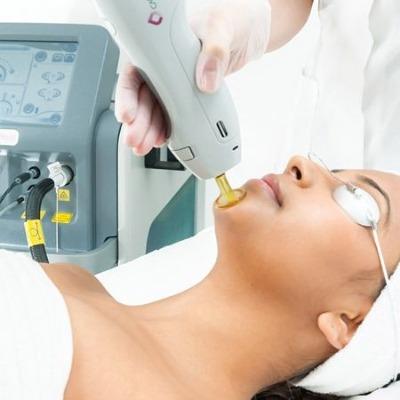
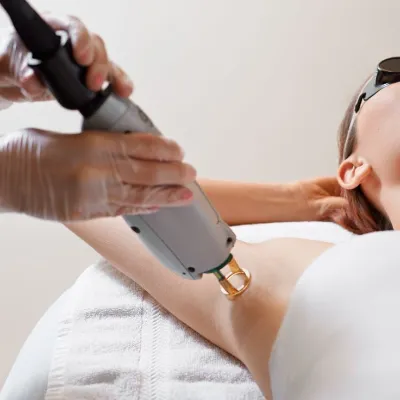
Appropriate eye protection is used during laser treatment. The practitioner also uses the cooling system associated with the laser to reduce heat at the skin surface and improve treatment comfort.

Cooling is particularly important when treating areas with greater pigmentation or sensitivity.

4.   Laser Application

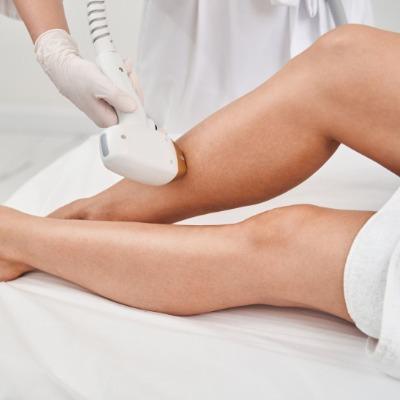
The laser handpiece is placed over the treatment area and delivers controlled pulses of light.

Patients commonly describe the sensation as a series of warm snaps or small pinpricks. Sensation varies according to the treatment area, hair thickness, laser settings, and individual sensitivity.

The practitioner systematically treats the selected area rather than repeatedly exposing the same spot.

5.   After the Session

The treated area may appear slightly red or swollen around individual follicles immediately after treatment. This is commonly temporary and generally settles within a short period.

The treated hairs do not necessarily disappear immediately. Hair exposed to effective laser energy typically sheds gradually over the following days or weeks.

Patients receive aftercare instructions based on the treatment area and their skin response.

How Long Does a Session Take?

Treatment time depends mainly on the size of the area and hair density.

Treatment Factor

Relative Treatment Time

Upper lip

Very short

Chin

Short

Underarms

Short

Bikini area

Short to moderate

Full face

Moderate

Arms

Moderate

A small facial area can be treated much faster than both full legs or multiple large body areas.

Why Professional Assessment Matters:

Laser hair removal is not simply a matter of passing a device over the skin. The practitioner must balance hair follicle targeting with epidermal protection.

Wavelength, fluence, pulse duration, spot size, cooling, treatment interval, skin type, and hair characteristics all influence the treatment response.

For patients seeking laser hair removal in Islamabad, a consultation at Enfield Royal Clinic provides an opportunity to assess the treatment area, establish realistic expectations, and determine an appropriate treatment protocol before beginning a course of sessions.

Laser Hair Removal Treatment Areas in Islamabad:

Laser hair removal can treat unwanted hair on most areas of the body where sufficient hair pigment is present. The appropriate treatment plan depends on the hair density, thickness, skin sensitivity, and size of the area being treated.

At Enfield Royal Clinic Islamabad, patients can discuss individual treatment areas during their consultation and determine which areas are suitable for laser hair reduction.

Facial Laser Hair Removal

Facial hair is one of the most common reasons patients seek laser treatment. Areas that can be treated include:

  • Upper lip
  • Chin
  • Jawline
  • Sideburns
  • Neck
  • Full face

Facial hair requires careful assessment because hormonal factors can influence growth. Patients with conditions such as PCOS or other causes of androgen-related hair growth may require more sessions or periodic maintenance treatment.

Underarm Laser Hair Removal:

Underarm hair is often coarse and strongly pigmented, making it a suitable target for laser treatment. Reducing underarm hair can also reduce the need for frequent shaving and waxing.

The treatment area is relatively small, so sessions are generally quick compared with larger body areas.

Full Legs and Arms:

Laser hair removal can reduce unwanted hair across the legs and arms. Larger areas require more treatment time because the laser must cover a greater surface area.

Patients with dense, dark hair often see more noticeable reduction than patients with fine or lightly pigmented hair.

Bikini and Intimate Areas:

Laser hair reduction can also be performed on the bikini area. Because the skin in this region can be more sensitive and pigmentation can vary, treatment parameters require careful adjustment.

Patients should discuss the exact treatment boundary during their consultation so the practitioner can establish the appropriate treatment area and aftercare requirements.

Back, Chest, Abdomen, and Other Body Areas

Men and women may also seek laser hair reduction for larger body areas, including:

  • Back
  • Chest
  • Abdomen
  • Shoulders
  • Arms
  • Legs

Hair thickness and density vary considerably across these areas. The number of sessions therefore differs between patients and between body regions.

Facial Hair Requires a Different Approach From Body Hair:

Not all body hair behaves in the same way. Facial hair can be more strongly influenced by hormones, particularly in women with conditions associated with increased androgen activity.

Laser treatment can reduce existing pigmented hair, but it does not treat the underlying hormonal condition. New hair growth can therefore occur when hormonal stimulation remains active.

This is why a consultation is particularly important for patients seeking treatment for persistent or rapidly increasing facial hair.

Choosing Treatment Areas in Islamabad:

Patients do not need to treat the entire body to benefit from laser hair removal. Treatment can focus on specific areas where unwanted hair causes the greatest inconvenience.

During a consultation at Enfield Royal Clinic Islamabad, the treatment plan can be based on:

  •     The patient’s skin type
  •     Hair color and thickness
  •     Hair density
  •     Treatment area
  •     Previous hair-removal methods
  •     Hormonal or medical factors
  •     Desired level of hair reduction

A personalized plan also helps establish realistic expectations for the number of sessions, treatment intervals, and potential maintenance appointments.

How Many Laser Hair Removal Sessions Are Needed?

Most patients require multiple laser hair removal sessions because hair follicles grow through different phases at different times. Laser treatment is most effective when the follicle is in the active growth phase, so one session cannot target every follicle that will eventually produce visible hair.

The total number of sessions varies according to treatment area, skin type, hair color, hair thickness, hair density, hormonal factors, and response to previous treatments.

Why Multiple Sessions Are Necessary?

Hair follicles do not remain synchronized. During one appointment, some follicles contain actively growing hair while others are in transitional or resting phases.

Laser energy is most effective against follicles associated with actively growing, pigmented hair. As other follicles enter the active phase during subsequent weeks, they become available for treatment.

This creates a progressive treatment cycle:

Active follicles → laser treatment → shedding → new follicles enter active growth → subsequent treatment → progressive hair reduction

multiple sessions

Repeated sessions therefore target a larger proportion of the hair population over time.

How Often Should Laser Hair Removal Sessions Be Scheduled?

Most patients have laser hair removal sessions every 4–6 weeks, while some body areas are treated at 6–8-week intervals. The interval depends on the treatment area, hair-growth cycle, skin type, hair density, and the amount of regrowth visible after the previous session.

Treatment Area Common Session Interval
Face About 4–6 weeks
Underarms About 4–6 weeks
Bikini area About 4–6 weeks
Arms About 6–8 weeks
Legs About 6–8 weeks
Back and chest About 6–8 weeks

These are typical treatment ranges, not fixed prescriptions. A clinical study of 1064 nm Nd:YAG treatment in Fitzpatrick IV–V patients used six sessions at 4–6-week intervals, while other laser studies have used 4–6 or 6–8-week intervals depending on the treatment protocol and area.

Why You Should Not Treat Too Early:

The purpose of spacing sessions is to allow a new group of follicles to enter a responsive growth phase. Treating again too soon does not automatically produce faster results because the laser cannot effectively target every follicle when it is outside the appropriate growth stage.

The American Academy of Dermatology notes that laser hair removal generally requires a series of treatments because hairs are in different growth phases at different times.

How Many Sessions Are Usually Needed?

A useful evidence-based figure for the page is around 6–8 sessions, while making clear that the number varies by patient and treatment area. The patients commonly need six to eight treatments, and the AAD describes six or more treatments as typical for achieving substantial long-term reduction.

After the initial course, some patients require maintenance treatments, particularly when treating hormonal facial hair.

When Do Results Become Visible?

Patients often notice a reduction in visible hair and slower regrowth after the first few sessions. The change is gradual because laser hair removal is a hair-reduction treatment performed over a course of sessions, not an instant removal procedure.

Common signs of progress include:

  • Hair takes longer to return.
  • Regrowth becomes less dense.
  • Individual hairs become finer.
  • Shaving and waxing become less frequent.
  • Treated areas remain smooth for longer periods.

The degree of reduction varies between patients. Dark, coarse hair generally provides a stronger laser target than fine or lightly pigmented hair.

Hormonal Hair Growth Can Affect Results:

Hormonal factors are particularly relevant when treating facial hair in women. Conditions such as PCOS can contribute to increased androgen activity and continued production of new terminal hairs.

Laser treatment can target existing pigmented hair, but it does not correct the underlying hormonal cause. Patients with hormone-related hair growth may therefore require additional sessions or periodic maintenance treatment.

Is Laser Hair Removal Permanent?

The most accurate description is long-term hair reduction, rather than a guarantee that every treated follicle will remain permanently hair-free.

Some follicles can become active again over time, while hormonal changes can stimulate additional growth. Maintenance sessions can help manage this regrowth when necessary.

The objective of a complete laser hair removal course is to achieve a substantial and lasting reduction in unwanted hair while extending the time between regrowth.

At Enfield Royal Clinic Islamabad, the recommended number and spacing of sessions should be determined after assessing the patient’s skin type, hair characteristics, treatment area, and response throughout the course.

Laser Hair Removal Cost in Islamabad:

The cost of laser hair removal in Islamabad depends on the treatment area, hair density, number of sessions, laser technology, and the patient’s individual treatment plan. Small areas such as the upper lip and chin generally cost less than larger areas such as full legs, back, or full body.

A clinic should provide pricing according to the actual treatment area rather than presenting one price as the cost of laser hair removal for every patient.

Treatment area Price per sessions (PKR)
Upper lip 4,999
Chin 3499
Underarms 9,999
Full face 14,999
Full arms 19,999
Full legs 24,999
Bikini line 19,999
Full back 39,999
Full body 49,999

Patients traveling from Rawalpindi and nearby areas pay the same rates, since treatment is carried out at the F7 Markaz Islamabad clinic rather than a separate location.

A few things push the total cost up or down beyond the per-session price, how many sessions your specific hair and skin type realistically need, whether you require touch ups after your initial course, and which laser technology your assessment points to, A consultation is really the only way to get a number that reflects your situation rather than a generic estimate.

Laser Removal vs Waxing vs Shaving

  Laser hair removal waxing shaving
What it actually does Damages the follicles Pulls hair from the root, follicle stays intact Cuts hair at the surface
How long results last Months to years, with gradual reduction 2-4 weeks A few days
Ingrown hair Tends to decrease as density drops common common
Works on grey/light hair Not really, too little pigment Yes Yes
Upfront commitment A full course of sessions Low per visit lowest
Long-term hair reduction Yes No No

Laser Hair Removal Aftercare

Aftercare helps the treated skin settle and reduces unnecessary irritation or pigmentation changes. Mild redness, warmth, or swelling around individual follicles can occur after treatment and usually settles within a short period.

What to Do After Treatment

  • Keep the treated area clean and treat the skin gently.
  • Avoid unnecessary sun exposure after treatment.
  • Use broad-spectrum SPF 30 or higher on exposed areas.
  • Avoid tanning while completing the treatment course.
  • Follow the clinic’s instructions for soothing or skincare products.
  • Shave between sessions when needed rather than waxing, threading, or plucking.

Sun protection is particularly important for Pakistani and South Asian skin because increased epidermal melanin can raise the risk of post-inflammatory hyperpigmentation after irritation or excessive laser exposure.

If significant blistering, severe pain, persistent swelling, or marked changes in skin color develop, the patient should contact the treating clinic for assessment.

Who’s a Good Candidate For Laser Hair Removal Therapy in Islamabad?

Laser hair removal is generally suitable for adults with unwanted pigmented facial or body hair who want longer-term hair reduction rather than repeated shaving, waxing, or threading. You are likely a reasonable candidate if:

  • You have dark, pigmented hair, which the laser responds to best
  • You’re realistic that this is long-term reduction, not a guarantee every single hair vanishes forever
  • You can commit to a full course rather than one or two sessions
  • Your skin in the treatment area is currently healthy, without infection or irritation

Who Should Postpone or Avoid the Treatment:

  1. An active skin infection in the area to be treated
  2. A recent sunburn or fresh tan
  3. Photosensitive conditions, or medications that increase sun sensitivity
  4. A tattoo sitting in the treatment area
  5. Pregnancy, cosmetic laser treatment is generally deferred here simply because there isn’t enough safety data, and it’s worth discussing timing with your doctor rather than your aesthetic clinician alone

Being upfront with our clinician about your medical history and current medications makes a real difference in how safely and effectively your treatment goes.

What are Some of the Mild Side Effects of Laser Hair Therapy?

Most people tolerate laser hair removal well. Common effects include:

  • Mild redness or warmth right around the follicles
  • Slight swelling
  • Occasional itching
  • Temporary sensitivity in the treated area

How to keep side effects minor

  1. Apply a cool compress in the hours after treatment
  2. Stay out of the sun and skip tanning
  3. Avoid hot showers, saunas, and tight clothing over the area for day or two
  4. Hold off on active skincare until any irritation settle

One less common effect worth knowing about is paradoxical hair growth, where, instead of thinning out, hair in the treated area actually becomes thicker or spreads slightly. Its uncommon, and it’s generally linked to inconsistent technique or a laser setting that was not well matched to the patient’s skin and hair. It’s one more reason the assessment before treatment isn’t a formality, it’s what determines whether this happens to you.

 If you ever see blistering real pain, or discoloration that doesn’t settle, contact the Enfield Royal Clinic in Islamabad rather than waiting it out

Meet Our Expert for Laser Hair Therapy in Islamabad

Laser hair removal at Enfield royal clinic Islamabad is planned and supervised by Dr. Maryam Malik, MBBS , whose background includes dermatological and aesthetic practice, including over 10 years of clinical experience in Canada before her current role here.

Every patient is assessed individually by Dr Maryam Malik or her supervised team, before any laser or setting is chosen, and treatment plans get adjusted across the course as your skin and hair respond.

Why Patients Choose Enfield Royal Clinic Islamabad.

  • A real skin and hair assessment before anything gets switched on, rather than a one-size-fits-all setting
  • Access to Diode, Alexandrite, Nd:YAG, and Multi-wavelength systems, so the laser is chosen around you
  • Session plans that adjust as your hair actually responds, not a fixed script
  • Straightforward guidance before and after every appointment
  • A team with real experience across the range of skin tones common in Pakistan
  • A f-7 Markaz, Islamabad location, with patients regularly coming in from Rawalpindi, Lahore, Peshawar, and Karachi

Frequently Asked Questions (FAQs)

Roughly every 4-8 weeks, with the exact spacing depending on the area and how your hair cycles

Most people describe it as warmth with an occasional light snapping sensation, closer to a rubber band flick than anything sharp, cooling during the session helps a lot

Yes, shaving is fine. Waxing , threading, and plucking aren't.

Yes, when the laser and settings are chosen with your skin tone in mind, that's really the whole point of an assessment beforehand rather than a blanket approach.

Unfortunately , conventional lasers don't have much to work with here, since grey and white hair contain very little melanin.

Regularly, chest, back, shoulders, neck, and beard-line are common areas for male patients

Our Experienced Doctors

Dr. Ayusha Khan
Dr. Ayusha Khan

Dermatologist

Dr. Ayusha Khan, with nearly 10 years of experience, is a trusted Aesthetic Physician in Islamabad, specializing in skin and hair...

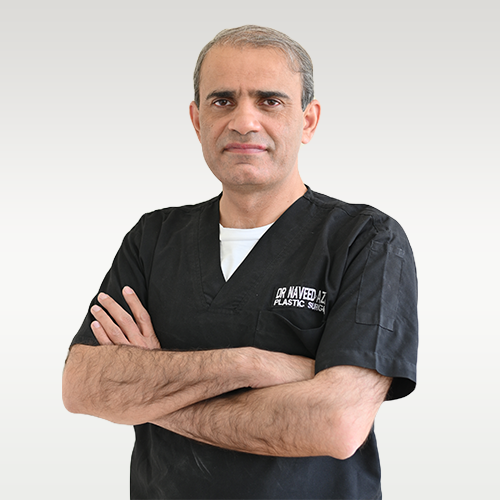
Dr. Naveed Azhar
Dr. Naveed Azhar

Consultant Surgeon

Dr. Naveed Azhar has over 16 years of experience in his field.

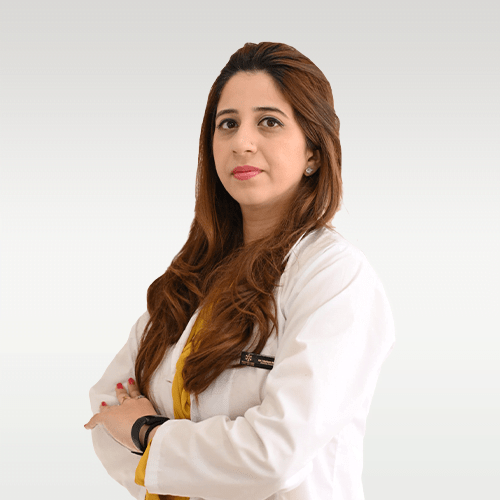
Dr. Maryum
Dr. Maryum

Aesthetic Physician

Dr. Maryam Malik, a board-certified dermatologist, excels in surgical, medical, and cosmetic dermatology. Renowned as Islamabad.

Schedule Your Consultation

Book Your Appoinment

100% Privacy Guaranteed

Whatsapp