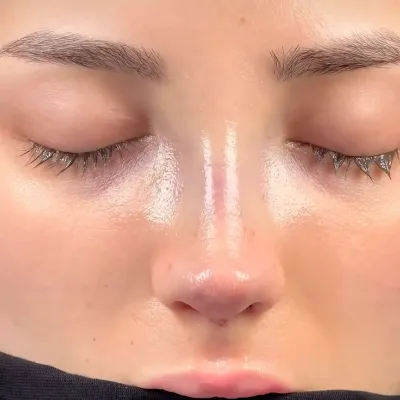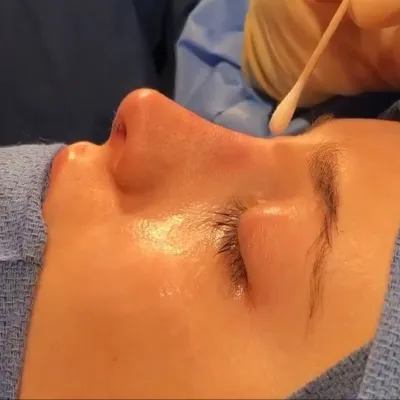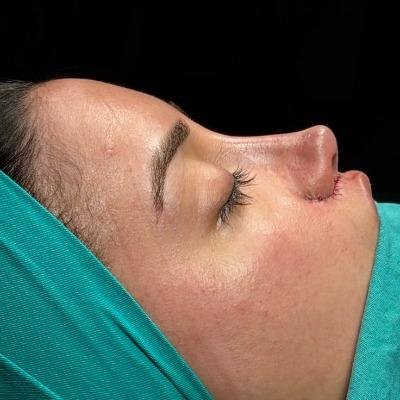

Do you ever wonder how much time it takes to see your new profile in the mirror? Rhinoplasty, also referred to as a nose job, is one of the most transformative cosmetic surgeries in the present world. The surgery itself is only the first step. Your healing process is the key to the success of the procedure. Understanding the roadmap for recovery and results after Rhinoplasty surgery is essential for any patient looking to achieve a balanced, natural look while maintaining proper nasal function.
Adhering to a structured recovery plan is not only the guarantee of your safety but also the preservation of the fragile structural changes that occur in your bone and cartilage. The following is a step-wise analysis of what you should expect, starting the day you leave the operating room up to the time you are finally revealed the following year.
What is a Rhinoplasty Recovery?
Rhinoplasty in Islamabad recovery is the healing process during which your nose tissues, bones, and skin adjust to their new shape. Since the nose plays a key role in both appearance and breathing, proper healing is essential.
Most visible healing happens within the first two weeks. However, deeper internal healing continues for up to 12 months, gradually refining the final shape of your nose.
The Timeline of Recovery: What to Expect?
The First 24 to 72 Hours
The most congested period is the immediate post-operative period.
- Packing and Splints: You are likely to have the splint on the outside of your nose made of some sort of protection, and on the inside, the splints or packing, which are of soft silicone.
- Symptoms: You may get a stuffy feeling, like a case of a bad cold.
- Swelling and Bruising: Bruising about the eyes is normal (so-called black eyes). This peaks around day three.
Week 1: The First Milestone
Many patients go to their surgeon by the seventh day to have the external splint and non-dissolvable stitches removed. The most thrilling day of recuperation this can be, as the first sight of your new nose, yet still swollen as it will be, can be seen.
Weeks 2 to 4: Returning to Life
At this point, there is no longer a surgical appearance. Most patients are comfortable getting back to work or to school without anyone knowing that he or she had been operated on.
- Visible Healing: The swelling reduces to about 70% within the first month.
- Activity: You may start light exercise, but you should avoid any exercise that raises blood pressure to the face, as this may cause throbbing.
Months 3-6 Structural Maturation
The bridge of the nose normally appears extremely near. Nonetheless, the tip of the nose, where the skin is thickest, is somewhat hard or numb. This is a natural process of nerve healing.
One Year: The Final Result
By the 12-month mark, the skin has completely shrunk around the new structure. This is what is termed your permanent outcome.
Who Might Want To Get Rhinoplasty?
A rhinoplasty surgery may be performed on you to:
- Fix a genetic defect (birth defect).
- Make yourself more presentable.
- Open blocked nasal passages (deviated septum).
- Fracture of the face, such as the nose.
- Regain breathing competency post illness, chemotherapy, trauma, or burning.
What are the Different Surgical Options of Rhinoplasty?
Rhinoplasty is of two major types:
1. Open Rhinoplasty
Open rhinoplasty refers to major nose surgery. To be able to see the inside of your nasal bone and cartilage, your surgeon will black eyes of your nose entirely from the bone and cartilage.
2. Closed Rhinoplasty
Closed rhinoplasty is a minor nose surgery. To reshape your skin, your surgeon will make incisions in your nose to separate your skin, bone, and cartilage.
Other Types of Rhinoplasty Are:
- Cosmetic Rhinoplasty: Makes your nose and face look good.
- Nonsurgical Rhinoplasty (filler rhinoplasty): It is a cosmetic case of rhinoplasty that involves dermal fillers to temporarily fill the dips and irregularities in your nose.
- Functional Rhinoplasty: This procedure replaces nasal shape and functionality following illness, cancer therapies, or traumatic wounds. Congenital defects and a deviated septum can also be repaired using this kind of reconstructive surgery.
- Secondary Rhinoplasty: This is to repair or to correct any issues that arise after the initial rhinoplasty operation. These issues are usually small, though they are more complicated and require your surgeon to fix them.
Risks and When to Call Your Doctor
Rhinoplasty is generally safe when performed by an experienced surgeon like Dr. Naveed Azhar. However, it’s important to monitor your recovery and contact your doctor if you notice:
- A sudden high fever or chills.
- Uncontrollable nosebleeds.
- The extreme pain is not alleviated by a prescription medicine.
- Shortness of breath or chest pain.
Frequently Asked Questions
When Can I Blow My Nose?
Usually after 3 to 4 weeks. Early blowing may result in bleeding or internal suture rupture.
Will I Have Scars?
The scars are concealed in an inside-out rhinoplasty. In an open rhinoplasty, a small incision is made on the columella (between the nostrils), and it usually fades away with time.
A Journey of Patience
Rhinoplasty in Islamabad takes time, not quick results. Although the first one is quick, the last refinement is slow. You are sure to see a lifetime improvement in your natural beauty by simply following your surgeon’s special advice and waiting patiently until the swelling goes away.
Ready to make your ideal profile?
Don’t get your findings by chance. Call our professional surgical staff today to book your consultation and be assigned your own recovery strategy based on your goals. It is the beginning of your path towards a more confident you!