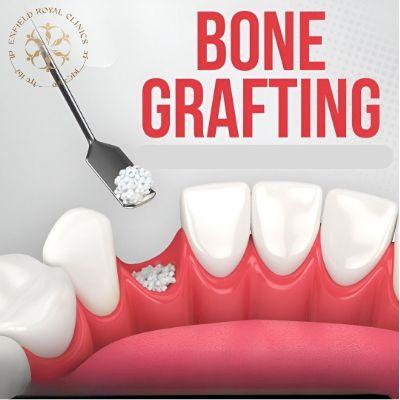
Bone grafting in Islamabad is a specialized dental procedure designed to rebuild and strengthen areas of the jawbone that have experienced bone loss. There is a natural loss of the jawbone around the lost tooth in just months. This loss of bones may result in the inability to perform some dental procedures.
The procedure works by inserting bone material, either the body of a donor, artificial, or even your own, into the diseased part. This implant serves as a scaffold, which stimulates your natural bone to develop and become stronger with time.
Who Needs Bone Grafting?
Your bone grafting may be needed when you:
- Plan to get dental implants, but lack sufficient bone density
- Have experienced significant tooth loss over an extended period
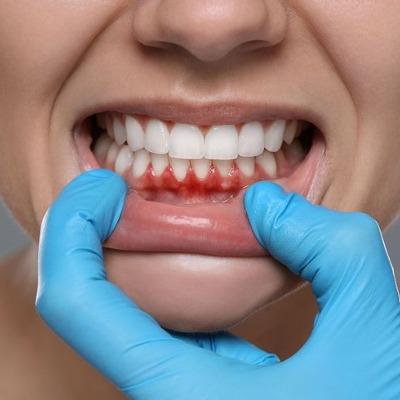
- Had a gum disease, and now your jawbone is destroyed.
- Had a tooth extraction and want to preserve the socket for future implants
- Requires jaw re-done because of trauma or injury.
- Wish to avoid bone loss changes in the face.
Understand the Differnet Type of Bone Grafts
The choice of the optimal form of bone graft is relative to your condition, budget, and intended treatment. Both types have their own benefits in terms of success rates, treatment time, and compatibility with the body.
Autograft (The Gold Standard Treatment )
An autograft is one that applies the bone that is collected on another part of your own body. This may be behind your chin, behind your jaw, your hip, or your tibia.
Advantages:
- No chance of rejection (own tissue)
- Includes living bone cells, which enhance faster healing.
- The greatest success of all types of grafts.
- None of the chances of spreading the disease.
Disadvantages:
- Needs another place of surgery.
- A little more time to recover.
- More invasive procedure
Allograft (Donor Bone Solution)
Allograft involves human tissue or human bone, which has been effectively processed and sterilized and is acquired through certified tissue banks.
Advantages:
- No second surgical site was necessary.
- Available readily in different sizes.
- Well vetted and secure.
- Bonds well with natural bone.
Disadvantages:
- A little less successful than autografts.
- Free of living cells.
- Small yet existent threat of immune response.
Xenograft (Grafts of Animal Origin)
Xenografts make use of the bone of animals, most frequently the bone of the cow (bovine), which has been highly processed so that all organic matters are removed.
Advantages:
- Extensively distributed and affordable.
- Superior bone growth scaffold.
- No further surgery is required.
- Experiences in dental processes.
Disadvantages:
- Longer integration time
- There are patients who do not like using materials of animal origin.
- May not be appropriate in case of a great deal of bone loss.
Alloplastic (Artificial Bone Material)
Alloplastic grafts are made using biocompatible synthetic materials such as hydroxyapatite or tricalcium phosphate.
Advantages:
- None whatsoever of spreading the disease.
- Unlimited availability
- Constanter quality and composition.
- Appropriate for patients who have ethical issues.
Disadvantages:
- Reduced success with big defects.
- Is not as effective in stimulating bone growth.
- Increased healing time on a case.
Common Symptoms That Reveal the Need for Bone Grafting
- Lacking or having severely old teeth with no adequate jawbone support.
- The loss of bone in the jaw can be observed when having dental X-rays.
- Problem with the use of dentures or dental prosthetics, difficulty, or instability.
- Shrinking gums and uncovering the roots of teeth and bone volume.
- Facial sagging or facial bulging is caused by the shrinkage of the jawbones.
- Loose teeth because of weaker or rotting bone.
- Sensation of pain or discomfort in regions where teeth are absent or have a thin bone structure.
- The inability to chew or bite, because of poor support of the jawbones.
Bone Grafting Procedure: Step-by-Step
The experience that you get to know about your bone grafting or Gum Grafting process can help you to save on anxiety and prepare you for the process.
Step 1: General Consultation
Your dentist will examine you in detail using:
- X-rays of bones to determine their density.
- Measurements made with 3D CBCT.
- Medical history review
- Communication of treatment goals and expectations.
Step 2: Treatment Planning
An individual treatment plan is developed depending on:
- Extent of bone loss
- Location of the graft site
- Graft material type used.
- Implant placement schedule.
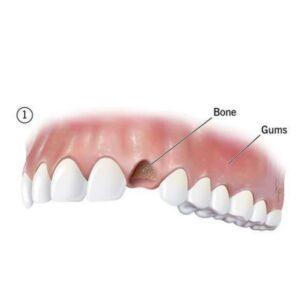
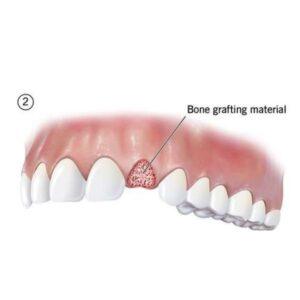
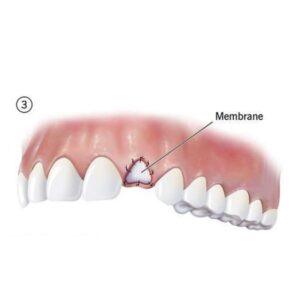
Step 3: The Grafting Procedure
- Time: 45-90 minutes (depending on complexity)
- Anesthesia: Local anesthesia and sedation are possible.
Process:
- The field of treatment is completely sanitized and anesthetized.
- A little cut is taken through the gum tissue.
- Exposure of the bone is performed, and the damaged tissue is excised.
- The grafting material is put in place and molded.
Step 4: Integration and Healing
The healing process is performed in stages:
- Week 1-2: Recovery of the injuries, removal of stitches can take place.
- Months 1-3: The graft material commences to become integrated with natural bone.
- Months 3-6: Bone becomes adequate in terms of density to place implants.
- Month 6 or later: Tidal growth and strengthening of bones.
Before and After Results: What to Expect?
Understanding the transformation that bone grafting can result in will assist you in having real expectations about your treatment process. Improvement of the visual and functional performances.
Before Treatment:
- Obvious jawbone recession and deflation of the face.
- The failure to support dental implants is due to a lack of bone density.
- Difficulty with teeth, who do not chew and cannot speak clearly.
- X-rays indicate that there is considerable loss of bone in the jaw area.
- Few available treatment modalities to permanently replace teeth.
- Stepwise corrosion of the surrounding teeth and bone.
After Successful Bone Grafting:
- Using imaging, dentista retore and establish the bone volume and density.
- Healthy and stable base acceptance of dental implants.
- Better facial features and a younger look.
- Solid bone integration and regeneration on X-rays.
- The capability to go ahead with lifetime tooth replacement options.
- Stalling of additional bone degradation and dental problems.
Recovery Time Line and Aftercare Instructions
Aftercare is an essential factor in successful bone graft integration.
Post-Procedure (24-48 Hours)
Do:
- Ice packs for swelling (20 minutes on, 20 off)
- Swallow prescribed pain medication and antibiotics.
- Keep the head raised above the heart.
- Take the prescribed antimicrobial mouth rinse.
- Consume soft and cold food (yogurt, smoothies, mashed potatoes)
Avoid:
- Contacting or interfering with the surgical site.
- Smoking tobacco products or smoking.
- Use of straws (suction) to drink.
- Violent rinsing or spitting.
- Hot drinks and hot and spicy meals.
First Week
You can feel the little bits of bone in your mouth resembling sand or salt. This is not unusual; it is usually not a cause of concern. Nevertheless, come to your dentist in case of:
- Excessive bleeding that doesn’t stop
- Uncontrolled severe pain that is not managed by medication.
- Infection symptoms (fever, pus, foul smell)
- Constant numbness or paresthesia.
Weeks 2-6
- Slowly resume normal diet when comfortable.
- Maintain good oral health (soft brushing, no graft site)
- Areas to attend follow-up appointments to monitor.
- Avoid intense physical exercise for 2-3 weeks.
Months 3-6
- Bone integration should be monitored by regular check-ups.
- Scans or X-rays to ensure that the bone density is appropriate.
- Preparation of the second stage (dental implantation).
Benefits of Bone Grafting for Dental Health
Bone grafting offers many benefits beyond just the preparation of dental implants.
- Avoids Deterioration of the Jaws: The bone loss keeps on progressing unless it is intervened in.
- Maintain Facial Structure: The jawbone holds the muscles of the face and the skin.
- Protect Remaining Teeth: The loss of bone may also lead to the movement, looseness, or weakening of adjacent teeth. Grafting ensures general stability in the dentures.
- Enables Dental Implants: The main aim of the majority of patients is to provide a fixed base to replace permanent teeth with dental crown
- Supports Oral Health: Strong bone structure contributes to healthier gums and reduced periodontal disease risk.
Potential Risk & How to Minimize
Although bone grafting is a safe procedure with high success rates, knowledge of the possible risks can help you make informed decisions.
Them Infection (1-2% Occurrence):
- Prevention: Use antibiotics when necessary, and take care of oral hygiene.
- Symptoms: Fever, excruciating pain, swelling, pus, foul odour.
- Treatment: Call the dentist at once.
Graft Rejection or Failure (3-5%):
- Prevention: Complain of all aftercare recommendations, do not smoke.
- Symptoms: No bone development following the healing process, chronic pain.
- Action: May will need to repeat the procedure with another type of graft.
Nerve Damage (Less than 1%):
- Prevention: Collaboration with skilled professionals based on the use of specific imaging.
- Symptoms: Constant numbness, tingling in the lips, chin, and tongue
Excessive Bleeding
- Prevention: Blood thinners should be avoided in the preoperative period, adhere to postoperative instructions.
- Symptoms: Non-pressural bleeding.
Factors That Affect Success
Factor | Impact on Success | How to Enhanced |
Smoking | Reduces success rate by 30-40% | Quit 2 weeks before and 8 weeks after |
Diabetes | Slows healing if uncontrolled | Maintain stable blood sugar levels |
Age | Minimal impact on good health | Follow nutrition and care guidelines |
Oral Hygiene | Critical for preventing infection | Brush gently, use prescribed rinses |
Nutrition | Affects healing speed | High protein diet, vitamins C & D |
Why Choose Specialized Care in Islamabad?
Islamabad is now a hub of advanced dental care, with patients having access to the latest technology and highly trained professionals.
Advanced Technology Available
Contemporary dental clinics of Islamabad apply:
- 3D CBCT Scanning: This gives accurate bone measurements and treatment plans.
- Computer-Guided Surgery: Accurate graft placement.
- Biocompatible Materials: International-standard graft materials.
- Platelet-Rich Plasma (PRP) Therapy Improves bone healing and regeneration.
Experienced Dental Specialists
In the same way, dentists such as Dr. Usama Hayat Ghauri has international training and expert skills in the bone grafting process. Being educated to the highest level and having huge amounts of successful cases, professional specialists guarantee:
- True diagnosis and treatment planning.
- Minimally invasive surgical procedures.
- Reduced complication rates
- Best aesthetic and operational efficiencies.
What is the Cost of Bone Grafting in Islamabad, Pakistan?
The bone grafting procedure in Islamabad starts from PKR 35,000 and thebone grafting treatment cost greatly depending on the complexity of your case and the type of materials used. These fees usually cover the consultation, surgery, grafting supplies, and follow-up visits.
Factors that Affect the Cost of Bone Grafting
- Type of Graft Material
- Extent of Bone Loss
- Location and Reputation of Clinic.
- Additional Procedures.
- Imaging, Diagnostic Tests.
- Sedation/Anesthesia Preferences.
- Number of Grafting Sites
- Follow-Up Care
How to Prepare for Your Bone Grafting Appointment?
Before Your Consultation
- Make a list of all drugs and supplements.
- Record any allergy or prior response to anesthesia.
- Write questions regarding the process, prices, and schedule.
- Carry in current dental X-rays (where possible).
Day of Procedure
- Make transportation arrangements (you will not be driving when sedated)
- Keep up fasting (usually 8-12 hours before)
- Put on loose, stylish clothes.
- Intend to have 2-3 days out of work to relax.
Alternative Options of Bone Grafting At Enfield Royal Clinic Islambad
In other instances, alternative treatment can be appropriate:
1. Mini Dental Implants
Less dense bone disc implants that have a lower diameter. Suited well in securing dentures instead of taking out single teeth.
2. Zygomatic Implants
Special implants are attached to the cheekbone as opposed to the jaw. Applied in case of severe loss of the upper jawbone, grafting is not possible.
3. Removable Dentures
The traditional dentures do not need any bone grafting, but are less stable and less comfortable compared to the implants.
4. Implant-Supported Dentures
Angled implants of All-on-4 or All-on-6 are employed to utilise available bone to the fullest extent, and occasionally do not require much grafting.
Your dentist will determine whether these alternatives are the right ones in your particular situation.
Book & Begin Your Smile Makeover Today!
In conclusion, bone grafting is a safe, effective, and proven process that puts a path for successful dental implant therapy. All you need is a correct care, advanced process methods, and skilled professionals, and then you are able to get the robust, sound jawbone required to have a complete and opaque smile.
Never allow bone loss to stop you from getting the smile you would enjoy. Arrange a complete appointment with a professional dental expert at Enfield Royal Clinic in Islamabad to consult about your opportunities and get an individual management plan. One appointment will get you going towards a renewed sense of confidence.
FAQs
How Long Does It Take for a Bone Graft Heal Completely?
The first healing process is between 2 weeks, yet the full integration will require an average of 3-6 months. It can take up to 9-12 months in large grafts or with slow healing (smokers, diabetics). X-rays will be used by your dentist to ascertain the readiness of the bone in terms of placing the implant.
What is the Success Rate of Dental Bone Grafting?
Success rates vary by graft type: autografts (95-100%), allografts (90-95%), xenografts (85-90%), and alloplastic grafts (80-85%). Overall success depends on factors like smoking status, oral hygiene, following aftercare instructions, and the skill of your dental surgeon.
Can I Eat Normally After Bone Grafting?
For the first week, stick to soft, cool foods like yogurt, smoothies, mashed potatoes, scrambled eggs, and soup (not too hot). Avoid hard, crunchy, or chewy foods. By week 2-3, you can gradually reintroduce more solid foods as comfort allows, avoiding the graft site.
Is Bone Grafting Covered by Dental Insurance in Pakistan?
Coverage varies widely. Most dental insurance in Pakistan considers bone grafting a necessary prerequisite for implants and may provide partial coverage (30-50%). Check your specific policy and discuss payment plans with your clinic. Many facilities offer installment options.
What Happens If I Don't Get Bone Grafting Before Implants?
Without adequate bone, dental implants cannot be placed safely or may fail shortly after placement. Attempting implants in insufficient bone leads to implant mobility, infection, failure, and potential nerve damage. Bone grafting ensures long-term implant success and prevents costly complications.
Can Smokers Undergo Bone Grafting?
Yes, but smoking significantly reduces success rates by 30-40%. Nicotine restricts blood flow, slowing healing and increasing infection risk. Dentists strongly recommend quitting smoking at least 2 weeks before the procedure and 8 weeks after. Patients who cannot quit face higher failure rates and may not be ideal candidates.
How Long Does It Take for a Bone Graft Heal Completely?
The first healing process is between 2 weeks, yet the full integration will require an average of 3-6 months. It can take up to 9-12 months in large grafts or with slow healing (smokers, diabetics). X-rays will be used by your dentist to ascertain the readiness of the bone in terms of placing the implant.
What is the Success Rate of Dental Bone Grafting?
Success rates vary by graft type: autografts (95-100%), allografts (90-95%), xenografts (85-90%), and alloplastic grafts (80-85%). Overall success depends on factors like smoking status, oral hygiene, following aftercare instructions, and the skill of your dental surgeon.
Can I Eat Normally After Bone Grafting?
For the first week, stick to soft, cool foods like yogurt, smoothies, mashed potatoes, scrambled eggs, and soup (not too hot). Avoid hard, crunchy, or chewy foods. By week 2-3, you can gradually reintroduce more solid foods as comfort allows, avoiding the graft site.
Is Bone Grafting Covered by Dental Insurance in Pakistan?
Coverage varies widely. Most dental insurance in Pakistan considers bone grafting a necessary prerequisite for implants and may provide partial coverage (30-50%). Check your specific policy and discuss payment plans with your clinic. Many facilities offer installment options.
What Happens If I Don't Get Bone Grafting Before Implants?
Without adequate bone, dental implants cannot be placed safely or may fail shortly after placement. Attempting implants in insufficient bone leads to implant mobility, infection, failure, and potential nerve damage. Bone grafting ensures long-term implant success and prevents costly complications.
Can Smokers Undergo Bone Grafting?
Yes, but smoking significantly reduces success rates by 30-40%. Nicotine restricts blood flow, slowing healing and increasing infection risk. Dentists strongly recommend quitting smoking at least 2 weeks before the procedure and 8 weeks after. Patients who cannot quit face higher failure rates and may not be ideal candidates.