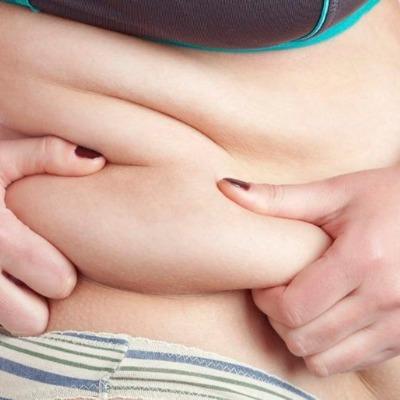
Obesity is a serious health problem. It affects your heart, your joints, and your overall quality of life. When the people try diet and exercise when doctors may recommend bariatric surgery.
Bariatric surgery in Islamabad is not a quick fix. It is a tool to help you lose weight and keep it off. But it is also a major decision. You need to understand the types of surgery and whether you are a good candidate.
At Enfield Royal Clinic Islamabad, Dr. Naveed Azhar and Dr. Adil Shafi help patients choose the right weight loss surgery. This article explains everything you need to know.
Quick Facts
| Aspect | Detail |
| Surgery Time | 1 to 3 hours |
| Hospital Stay | 2 to 3 days |
| Recovery | 2 to 4 weeks |
| Weight Loss | 50 to 80 percent of excess weight |
| Best For | BMI 35+ with health issues or BMI 40+ |
What is Bariatric Surgery?
Bariatric surgery is a term for operations that help you lose weight. These surgeries change your stomach or your digestive system. Some surgeries make your stomach smaller. You feel full after eating less food. Some surgeries also change how your body absorbs calories.
These surgeries are not for people who want to lose 5 or 10 kilograms. They are for people with severe obesity who have not been able to lose weight any other way.
Who Can Get Bariatric Surgery?
Not everyone can have weight loss surgery. You must meet certain requirements. These are the general criteria used by doctors in Pakistan:
Your BMI must be 40 or higher. This is called severe obesity. If your BMI is 35 or higher and you have weight-related health problems, you may also qualify. These health problems include type 2 diabetes, high blood pressure, severe sleep apnea, or heart disease.
You must have tried and failed non-surgical weight loss methods. This means you have tried supervised diet programs, exercise, and sometimes medications. You must be committed to lifelong lifestyle changes. Surgery is not magic. You still need to eat healthy and exercise.
You must be in good enough health for surgery. Your doctor will do blood tests and other evaluations to make sure you can safely undergo anesthesia.
Types of Bariatric Surgery
There are three main types of bariatric surgery. Each one works differently.
Gastric Sleeve (Sleeve Gastrectomy)
This is the most common weight loss surgery in the world. The surgeon removes about 80 percent of your stomach. What remains is a thin, banana-shaped sleeve. Your stomach becomes much smaller. You can only eat small amounts of food before feeling full. The part of your stomach that produces hunger hormones is removed.
So you feel less hungry throughout the day. This surgery does not change your intestines. Food goes through your digestive system normally. There are fewer vitamin deficiencies compared to other surgeries.
Best for: Patients with a BMI of 35 to 50. Also good for patients who cannot take daily vitamins long-term.
Gastric Bypass (Roux-en-Y Gastric Bypass)
This surgery has two parts. First, the surgeon creates a small pouch at the top of your stomach. This pouch is about the size of an egg. Second, the surgeon reroutes a part of your small intestine to connect to this new pouch. Food bypasses most of your stomach and the first part of your small intestine. Your body absorbs fewer calories. You also feel full very quickly.
This surgery causes more weight loss than the gastric sleeve. It is also very good for patients with type 2 diabetes. Many patients see their diabetes go away after this surgery. However, you must take vitamin supplements for life. Your body cannot absorb certain nutrients as well as before.
Best for: Patients with a BMI over 50 or those with severe diabetes.
Gastric Band (Lap-Band)
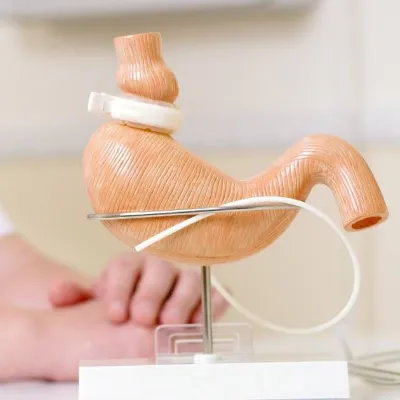
This surgery is different. The surgeon does not cut your stomach. Instead, they place an adjustable band around the upper part of your stomach. This creates a small pouch above the band. The band can be tightened or loosened over time.
This is done by adding or removing saline solution through a small port placed under your skin. This surgery is reversible. The band can be removed if needed. However, it causes less weight loss than the other two options. Many patients also have complications like band slippage or erosion.
Best for: Patients who want a reversible option. Less common now because of the higher success rates of sleeve and bypass.
Requirements Before Bariatric Surgery
Before surgery, you will need to complete several steps. and have a thorough medical evaluation including blood tests and heart tests. Will meet with a nutritionist to learn about your new diet after surgery. You may need to see a psychologist to make sure you are mentally ready.
You will also need to stop smoking at least 6 weeks before surgery. Smoking greatly increases the risk of complications. You may need to lose some weight on your own before surgery to shrink your liver. This makes the surgery easier and safer.
Bariatric Surgery Cost in Islamabad
The cost of Bariatric Surgery in Islamabad generally starts from PKR 500,000, depending upon the type of procedure carried out and other patient-specific factors.
The cost depends on the type of surgery, the hospital fees, and the length of your hospital stay.
Why Choose Enfield Royal Clinic for Bariatric Surgery
At Enfield Royal Clinic Islamabad:
- Dr. Naveed Azhar and Dr. Adil Shafi have extensive experience in weight loss surgery.
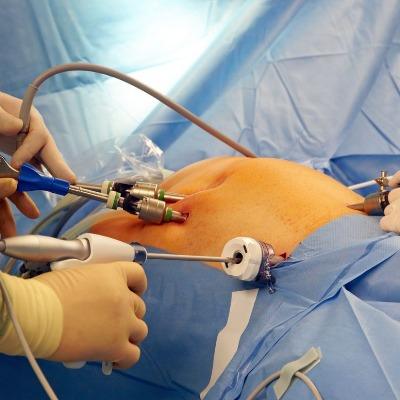
- They use advanced laparoscopic techniques for smaller scars and faster recovery.
- Each patient receives a personalized pre and post-operative plan.
- The clinic is clean, safe, and patient-focused.
Frequently Asked Questions
- How much weight can I lose after bariatric surgery?
Most patients lose 50 to 80 percent of their excess weight within 2 years.
- Will I need to take vitamins for life?
For gastric bypass, yes. For gastric sleeve, you may need only a few supplements.
- How long does the surgery take?
Gastric sleeve takes about 1 to 2 hours. Gastric bypass takes about 2 to 3 hours.
- When can I return to work?
Most patients return to desk work after 2 to 3 weeks.
- Is the surgery painful?
You will be under anesthesia during surgery. Afterward, you will have some soreness, but pain medication helps.
- Can the weight come back?
Yes, if you return to old eating habi