Skip to content

Every season has its own set of health risks. Harsh winds and chilly temperatures in the autumn and winter make skin and scalp extra dry. Therefore, dry skin and dry scalp cause many issues in winter. The dry environment causes your scalp to dry, which leads to dandruff and an itchy, odorous scalp. Another possible reaction to an increase in dandruff is hair loss. According to science, this weakening of the hydrogen bonds in your hair strands causes split ends, breakage, and dry hair. Thus, it is true that hair loss increases in the winter. As the leaves from the trees fall, hair loss also increases this season. However, seasonal hair loss is a shift in both men and women. We can assist you if you need help managing seasonal hair loss in winter.
What Is Hair Loss?
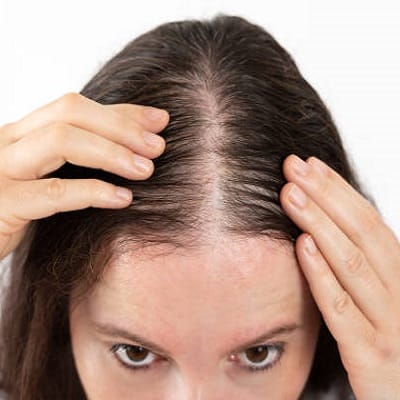
Hair thinning or falling out is known as alopecia or hair loss. It is not gender specific and may be either transient or permanent. By age 50, 40% of women have female pattern baldness.
There are many types of hair loss, but these are the most prevalent ones:
- Alopecia Androgenetic
As already discussed, male or female pattern baldness is another name for this. Whereas thinning hair in women often occurs close to the crown of the head, the issue typically affects the hairline and crown in men.
- Scarring Alopecia
Scarring alopecia, or cicatricial alopecia, is a permanent hair loss resulting from follicle death. Usually brought on by autoimmune diseases, infections, or chemicals, the damage makes it difficult for hair to regrow and often leaves patches of hair loss that never go away. Alopecia with scarring may also hurt or itch. Most of the time, scarring alopecia has no symptoms, yet it might hurt or itch. The major objective of therapy is to stop hair loss.
- Alopecia Areata
It is an autoimmune disorder that happens suddenly and causes non-scarring hair loss from the scalp or other body parts, caused by the immune system attacking hair follicles. It often leads to circular, smooth patches of hair loss around the body or scalp. The problem may recur despite no long-term harm to the follicle, and most patients see hair growth again in a year.
- Telogen Effluvium
It happens when the body loses more hair than normal, usually under stress. Rapid hair loss may result from a variety of conditions, including but not limited to pregnancy, thyroid issues, severe infections, surgery, some drugs, and nutritional diseases.
How To Manage Seasonal Hair Loss in Winter?
Many techniques are the right answer for managing seasonal hair loss in winter.
- Nutrient-Rich Diet: Ensure you eat a well-balanced diet of proteins, vitamins, and minerals vital for healthy hair.
- Hydration: Prevent dryness by drinking enough water and moisturizing your hair to be properly moisturized inside and out.
- Gentle Hair Care: To nourish the scalp and hair, use hydrating shampoos and conditioners without sulfates.
- Regular Trims: To stop more damage and encourage healthy hair development, trim split ends.
- Scalp Massage: Regularly massage your scalp with healthy oils like coconut or jojoba oil to stimulate blood circulation.
Seek Medical Advice to Manage Hair Loss in Winter
Winter hair loss can be managed through self-care techniques, but consulting a medical professional, such as a dermatologist or trichologist, can provide additional knowledge. A medical expert can evaluate the scalp’s health, identify underlying issues, and suggest treatments. They can create customized treatment plans based on individual needs and lifestyles.
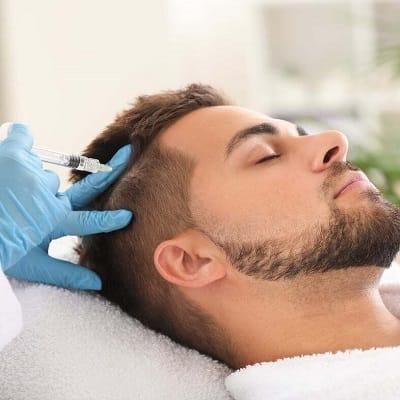
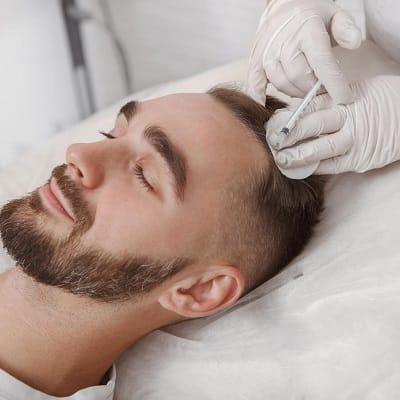
A doctor may prescribe drugs or topical treatments if severe hair loss is linked to a medical condition. They can offer expert perspectives on hair care developments and suggest evidence-based strategies. Regular consultations with a healthcare provider can monitor hair condition and provide ongoing advice for healthy hair throughout winter.
In conclusion
Winter hair loss requires a comprehensive approach, combining self-care practices like a nutrient-rich diet, adequate hydration, and gentle hair care with healthcare advice. A physician can address the underlying reasons for hair loss and tailor care to the patient’s requirements. Proactive self-care and expert advice can help you survive the coldest months of the year with a healthy mane.
You must consult a specialist to manage your seasonal hair loss this winter. In Islamabad, Enfield Royal Clinic can be your best choice.