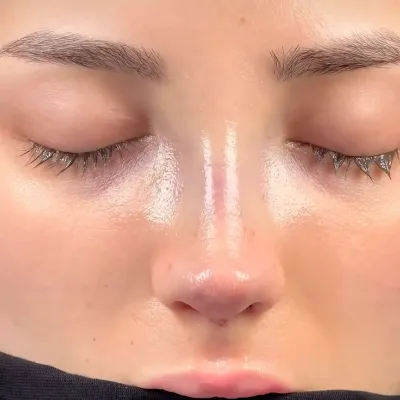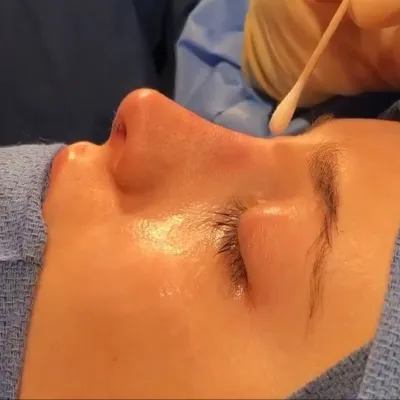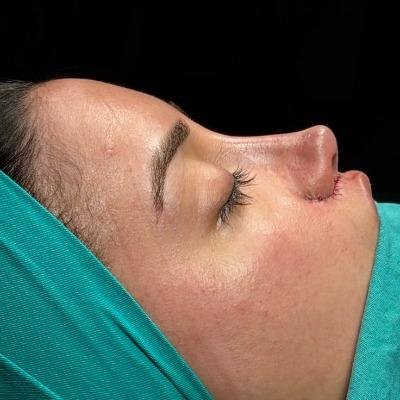
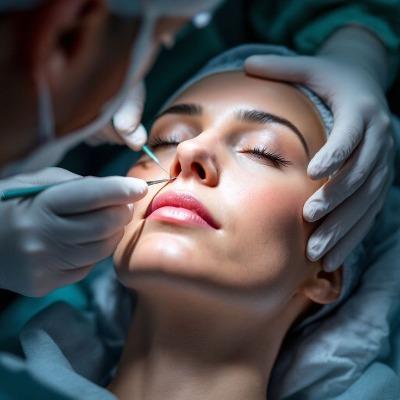
The bone will not regrow to the shape it was before rhinoplasty. Rather, it takes place through the process of bone remodeling, which is a normal biological process. In this process, it is at the point of surgery that the bone heals. Only in the areas where new bone needs to be formed, new bone tissue is created. The nose will maintain the new shape formed in the course of surgery. This is the reason why the results of rhinoplasty are deemed to be permanent. Although during the healing process some minor modifications may take place, the general structure does not turn back.
Why Some People Feel Bone “Regrowth” After Rhinoplasty
The feeling of hardness or swelling in the area of the nose bridge is experienced by many patients several weeks or months after surgery. This usually gives the wrong impression that the bone is regrowing. This feeling is due to:
- Restoration of the edges of the bones becomes firm.
- Swelling of the palms around the nasal structure, which is temporary.
- Formation of scar tissue on the skin.
The Role of Cartilage in Nose Shape After Surgery
Bone and cartilage constitute the nose. The cartilage contributes to a significant extent of defining the nose tip and nose flexibility. Unlike the bone, cartilage does not regrow after excision. Nevertheless, cartilage may become soft, slightly re-form, and settle down during the healing process. That is why the results of the final rhinoplasty in islamabad can require several months before they are fully visible. The understanding of the relationship between nasal bone healing and cartilage behavior is important to the long-term results appreciation.
Bone Healing Time in Rhinoplasty
- First 2 weeks: First bone stability and swelling.
- 4-6 weeks: Bones start becoming solid in their new location.
- After 3 months: The majority of structural healing is done.
- 6 to 12 months: Refinement and stabilization.
It should be emphasized that during this period, there should be no trauma and post-operative instructions should be taken seriously.
Can Bone Shifting Happen After Surgery?
Bone does not regenerate, but it may move in case it is not taken care of properly. This is not common but can arise as a result of:
- Trauma in the course of early wound healing.
- Negligence about post-operative care.
- Overstraining of the nose.
This is the reason why surgeons underline precaution when it is time to heal and visit the patient when it is time to follow up.
The Forces That Affect Healed Bone After Rhinoplasty
Several factors influence the healing of the nasal bones:
- Age and general health
- Bone density
- Surgical procedure
- Post-operative care
- Smoking or poor nutrition
When instructions are adhered to by healthy patients, their healing process will be smooth with consistent results.
When to Be Concerned About Post-Surgery Changes
A little bit of swelling and hardness is normal, but seek medical attention in case you have:
Further pain development following the initial recovery. Naresal asymmetry that gets progressively worse. Prolonged swelling beyond expected schedules. The evaluation is done early to counter the issues before they impact the results.
Long-Term Results and Stability
Rhinoplasty will offer long-lasting results. The new nasal structure is stable once the healing of the bone is complete. The body fails to develop the old bone shape, and any alterations observed in time are most likely to be attributed to aging and not the reversal of surgery.
This can make the patients feel comfortable with their choice and concentrate on the right course to recover instead of the fear of going back.
Book Your Consultation Now!
When you are thinking of rhinoplasty at Enfield Royal Clinic or you have doubts about whether you will heal after the surgery, a professional consultation can be clear and reassuring. Make an appointment to consult an expert and talk about the nasal structure, healing expectations, and long-term results.