Is Tummy Tuck a High-Risk Surgery?
Home Is Tummy Tuck a High-Risk Surgery?


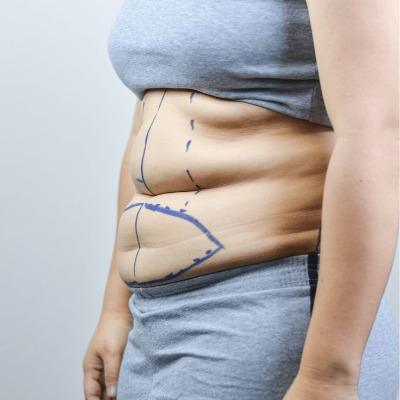
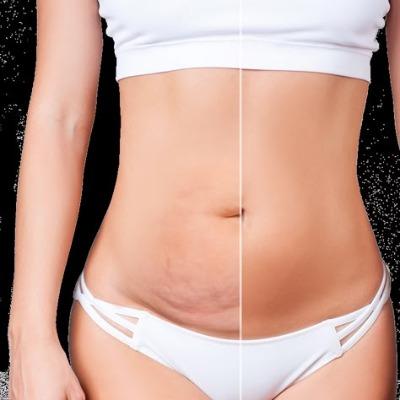
A tummy tuck surgically removes the sagging skin and fat in the abdominal region and tightens muscles of the abdomen in a surgical procedure called abdominoplasty. People who have undergone massive weight loss or pregnancy opt for this surgery or aging that causes flabby skin on the abdominal region. However, assessing whether this surgical procedure is safe and considering some tummy tuck complications is necessary.
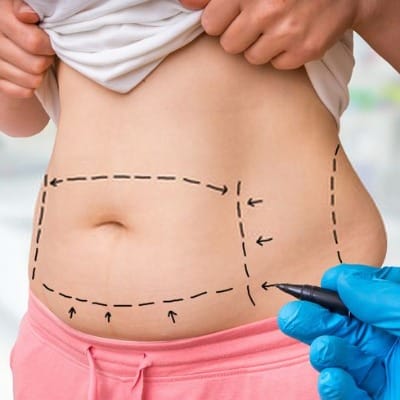
Abdominoplasty entails excision of skin and fat in the abdominal area and then closure of the area to get the best shape possible after surgery. It is done using liposuction, skin excision, and midline fascial and lower abdominal muscle plication.
Abdominoplasty comes in two kinds: the full type involves shaving the entire abdomen area, while the mini type is not as severe as the full type.
An abdominoplasty is something that patients choose when they lose lots of weight or have been pregnant and they can exercise or eat properly to have a flat stomach all the time.
When performing a tummy tuck surgery, the surgeon employs anaesthesia that may be general, which makes the patient unconscious or local, where the abdomen is numbed with the patient awake. The surgery typically follows these steps:
Incision: The procedure involves making an incision about level with the umbilicus. The scar is not uncomfortable since the area is commonly covered by underwear or swimming trunks.
Muscle Repair: The muscles are pulled and sewn, so they remain even more compact, addressing the issue of diastasis that might appear due to various reasons such as pregnancy or obesity.
Skin and Fat Removal: The sagging skin and the fats deposited in the abdominal area are excised to give the skin a neater and smoother appearance.
Skin Re-draping: The rest of the skin is pulled back over the newly cut abdomen, and the incisions are sutured.
The following are general guidelines to follow after undergoing tummy tuck surgery: Patients are often told to:
Tummy tucks also have risks and dangers that specific factors can cause. These include the patient’s overall health, age, and lifestyle. For instance, the patient has tendencies of smoking or indulging in alcoholism. Conditions like diabetes, cardiovascular disease, or being overweight put the patient at a higher risk during or after the operation.
Potential risks associated with tummy tuck surgery are those of any other invasive surgery. Despite this, the incidence of infection, bleeding, and poor wound healing are not desirable. Others are seroma formation, where fluid tends to pool beneath the skin, or changes in skin sensation over the area that has been incised.
The cost of Tummy Tuck Surgery in Islamabad starts from PKR 400,000 depends on amount of work required. A tummy tuck surgery in Islamabad might differ in price depending on several factors. Some of the considerations that rely on cost include the surgeon’s experience and popularity, the type of procedure required, hospital or surgery centre charges, anaesthesia charges and lastly, follow-up care costs.
There are benefits and disadvantages to having tummy tuck surgery, which all patients should consider. It can improve body shape and self-esteem, but its risks include infection and healing complications. Hence, thorough consultation before the operation and care after surgery are warranted.
These factors are considered, including a discussion with medical professionals from Enfield Royal Clinics and weighing the chances of positive outcomes. Seeking advice from experienced surgeons on the feasibility of the procedure and help throughout the process will enhance the chances of safe and satisfactory surgery.